
Our story’s first sentence is very important, because this is what grabs our reader’s attention. It also signposts what kind of writer we are, and what kind of story we will be telling. So how on earth do we get this first sentence right?
What a first sentence can’t be is boring or plain. It needs to build curiosity from the get-go. For that reason, it’s not usually a good idea to open on descriptions of the weather, or explaining what our main character looks like – unless these are important for setting up the story. If the character’s red hair is going to play an important role in how the plot develops, then by all means, mention it. If it’s not, then I guarantee it doesn’t need to be the first thing you tell us.
To get this first sentence right, you need to use it to open your story on a moment where something interesting is about to happen, or has just happened. Tell us as quickly as you can what that interesting thing is.
A great way to get a handle on writing a good first sentence is going through your favourite books and stories and reading their first sentences. Copy the ones you like into your notebook. You obviously can’t steal someone else’s first sentence, but you can steal the structure.
Let’s take the first sentence from Under the Skin by Michel Faber:
Isserley always drove straight past a hitch-hiker when she first saw him, to give herself time to size him up.
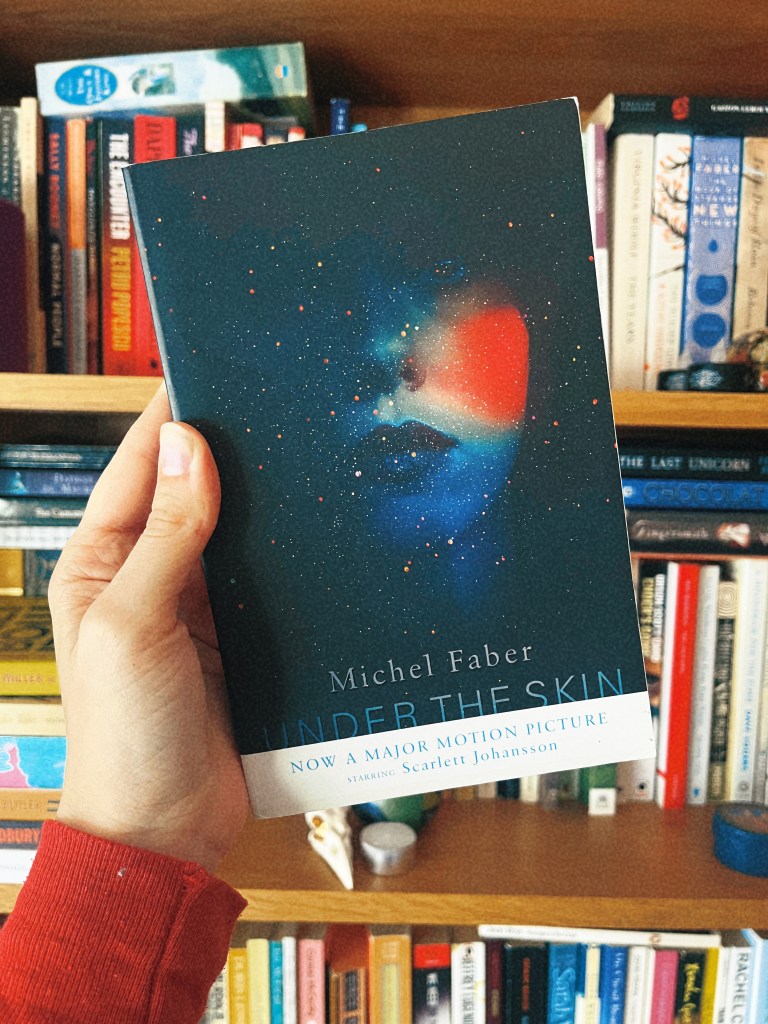
This is a great first sentence because it immediately tells us who our main character is, and also that she’s up to something a bit strange. We are intrigued: why is she sizing up hitch-hikers? Sizing them up for what? It’s a great hook.
So we can learn from this sentence, and we can also use its structure as inspiration for our own. For instance, here’s a sentence I wrote following the ‘map’ of the first sentence from Under the Skin:
Emily always ate her lunch outside, to avoid having to sit in the cafeteria with Matt.
This is a simple sentence, but it sets up a complex situation. We meet our main character – Emily – and we learn that she needs to avoid Matt. We are intrigued: why is she avoiding him? Did something happen? And what will happen when she can avoid him no longer?
I hope these tips help you next time you’re struggling with your own first sentence!
 A Space to Write
Leave a comment