
The secret to writing a page-turner, whether it’s horror, sci-fi, romance, or any other genre, is a lot simpler than you might expect.
When we’re lost in the pages of a book, desperate to reach the end, we often don’t even see what the writer is doing to keep us hooked. The point is that this technique is invisible, but it makes the book oh-so un-put-downable.
The thing you’ve got to do is keep your readers constantly feeling like there’s something big the story is building to.
This is usually a mystery of some sort, a question that makes the reader keep reading because they need to know the answer. It usually applies to one of two things (and sometimes both): the mystery of what’s going to happen, and the mystery of what has happened.
An excellent example of a book keeping us turning pages to find out what’s going to happen is Affinity by Sarah Waters.
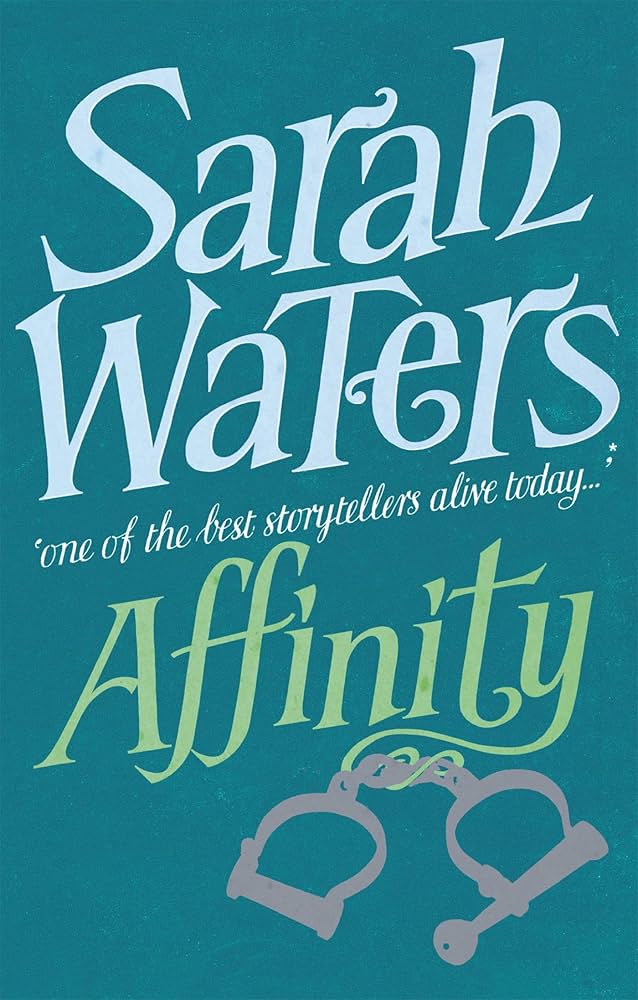
The main source of tension in this book is the developing romance between the main character and the female prisoner she meets. When we’re reading, we’re desperate to find out if our upper-class protagonist and this mysterious prisoner actually end up together.
The story keeps dancing around this question, and as the novel progresses we get more and more clues about the prisoner’s life. The prisoner is a psychic medium, so the other tantalising thing we want to find out is whether her powers are real or not. We simply have to keep reading to find out if this question is answered in the end.
Another book that I think makes an excellent page-turner is Eleanor Oliphant Is Completely Fine by Gail Honeyman.
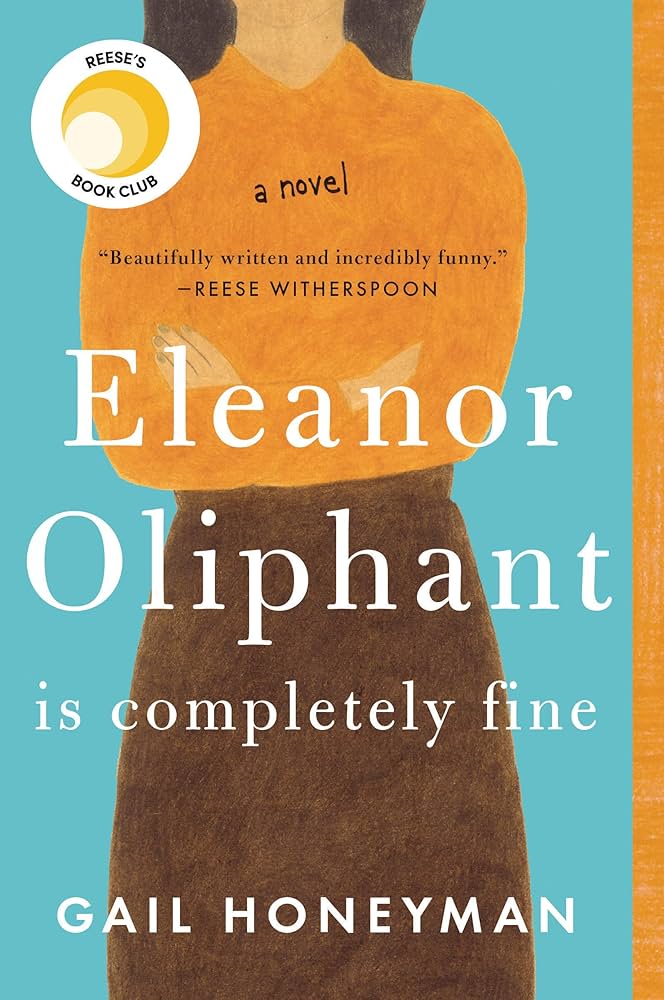
This book also leaves us constantly wondering what’s going to happen, but even more compelling is our need to eventually discover what has already happened.
The further you get into the book, the more you realise the narrator is withholding important facts about her life, and also the more you perceive how her strange past affects the book’s current unfolding events. Readers of this book simply can’t put it down until the mystery is solved and they know everything there is to know.
These techniques can be easily applied to any story, so if you want to keep readers turning pages in your book, remember to generate mystery about what’s going to happen as well as what has already happened. If you can draw these mysteries out until the very end of your story, your readers will be absolutely hooked.
 A Space to Write
Leave a comment